What the World's Longest-Lived People Understand About Rest That Most of Us Have Forgotten
The healthiest and longest-lived populations in the world share one surprising habit: they build rest into daily life. Discover what Blue Zone research teaches us about stress, longevity, and modern wellbeing.
D Owater
6/7/20264 min read
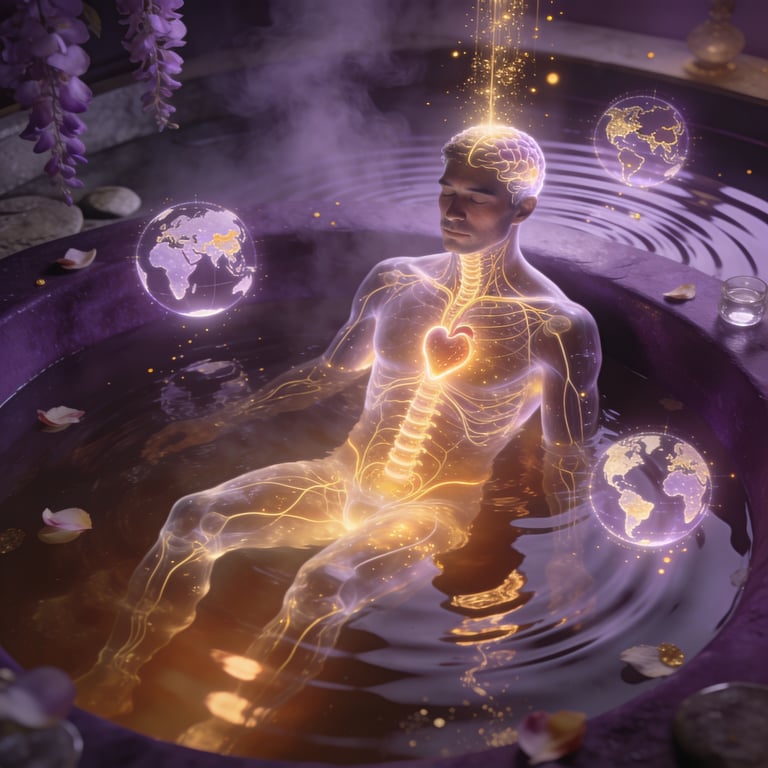
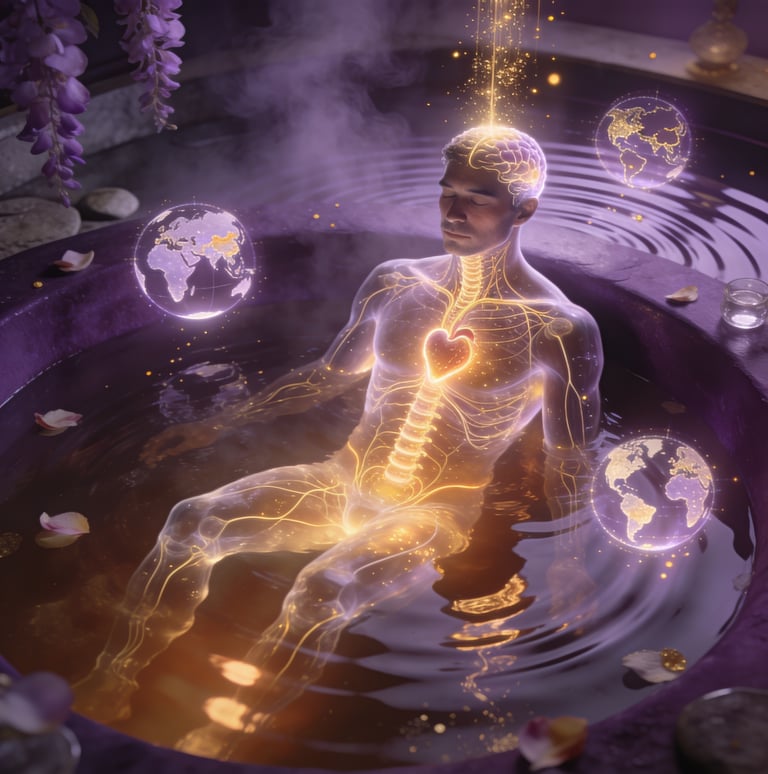
What the World's Longest-Lived People Understand About Rest That Most of Us Have Forgotten
Most Longevity Advice Focuses on What to Add
Eat this.
Take that supplement.
Follow this workout.
Track these metrics.
Modern wellness often treats health like a project that requires constant optimization.
Yet when researchers studied the world's longest-lived populations, they discovered something surprisingly simple.
The people who routinely live into their 90s and 100s are not necessarily doing more.
In many cases, they are doing less.
Less rushing.
Less chronic stress.
Less separation between work, community, and recovery.
The lesson is both refreshing and challenging: longevity may have as much to do with how we rest as how we perform.
The Places Where People Live the Longest
Researchers identified five regions with unusually high concentrations of healthy centenarians.
These areas became known as the Blue Zones:
Okinawa, Japan
Sardinia, Italy
Nicoya, Costa Rica
Ikaria, Greece
Loma Linda, California
Despite cultural differences, researchers found remarkable similarities among these populations. The habits varied in appearance, but the underlying principles remained consistent.
People moved naturally throughout the day.
They maintained strong social connections.
They had a sense of purpose.
And perhaps most importantly, they built daily periods of decompression into their lives.
The Habit Most Modern People Skip
Blue Zone researchers identified what they call the "daily downshift."
Every longevity culture had some version of it.
In Okinawa, it might involve quiet reflection and connection to one's purpose.
In Ikaria, it may look like an afternoon pause.
In Sardinia, social gatherings and slower rhythms naturally create moments of recovery.
The form changes.
The biological purpose remains the same.
Each practice tells the nervous system:
"You can stop being alert for a while."
Modern life rarely provides this signal.
Most people move directly from one demand to the next without any meaningful transition.
The result is a body that never fully exits stress mode.
Why Rest Is a Biological Need, Not a Reward
Many people treat rest as something that must be earned.
Work first.
Recovery later.
The problem is that the nervous system does not work that way.
Research highlighted in the Owater Spa wellness report points to a growing body of evidence showing that chronic stress affects sleep, emotional regulation, inflammation, cardiovascular health, and overall wellbeing.
Rest is not a luxury.
It is maintenance.
Just as muscles require recovery after exercise, the nervous system requires recovery after stress.
Without it, performance eventually begins to decline.
The Surprising Connection Between Stress and Longevity
Most conversations about aging focus on wrinkles, fitness, or nutrition.
But stress may be one of the most important variables.
The world's longest-lived populations consistently engage in practices that lower physiological stress throughout their lives. Researchers consider these downshift rituals one of the key factors supporting both wellbeing and longevity.
This is significant because stress affects nearly every major system in the body.
It influences:
Sleep quality
Digestion
Hormonal balance
Immune function
Cardiovascular health
Mental wellbeing
Reducing stress is not simply about feeling better.
It may help create conditions that support healthier aging over decades.
Why Wellness Is Moving Toward Prevention
The wellness industry is undergoing a significant shift.
Instead of focusing exclusively on fixing problems, many wellness professionals are increasingly focused on preventing them.
The Owater Spa report notes that preventative wellness, longevity-focused experiences, stress management, and recovery-based services are among the fastest-growing areas in the global wellness industry.
People are beginning to recognize that wellbeing is built through consistent habits rather than occasional interventions.
The world's longest-lived communities have been demonstrating this principle for generations.
What a Modern Downshift Can Look Like
A daily downshift does not require moving to a Mediterranean island.
It simply requires intentional recovery.
For some people, that might mean:
A walk without a phone
A mindfulness practice
Reading before bed
Time with friends
A warm bath
A massage session
Sitting quietly with a cup of tea
The activity matters less than the state it creates.
The goal is to interrupt the cycle of constant stimulation and remind the body that it is safe to slow down.
Why Spa Rituals Fit the Blue Zone Philosophy
When viewed through the lens of longevity research, a spa visit becomes something more meaningful than a temporary escape.
It becomes a structured downshift.
An opportunity to step away from demands, reduce stimulation, reconnect with the body, and create the conditions for recovery.
This is one reason wellness spaces continue to evolve beyond luxury.
People are looking for places that help them practice restoration.
Not once a year.
Regularly.
Bringing the Blue Zone Mindset to Everyday Life
The most encouraging finding from Blue Zone research is that longevity does not seem to depend on perfection.
It depends on consistency.
Small habits repeated over years often matter more than dramatic health interventions.
Move regularly.
Stay connected.
Find purpose.
And make time to slow down.
Simple does not mean insignificant.
In fact, some of the most powerful health practices in the world are surprisingly ordinary.
Final Thoughts
The world's longest-lived people are not chasing longevity.
They are living in ways that naturally support it.
Their lives contain movement, connection, purpose, and daily moments of rest.
In a culture that celebrates constant productivity, that lesson may be more relevant than ever.
Perhaps the real secret to a longer, healthier life is not learning how to do more.
It is learning when to stop.
Your Daily Downshift Starts Here
At Owater Spa, we believe restoration should be part of life, not an occasional reward.
Whether through massage therapy, or simply creating space to slow down, every visit is an invitation to practice the habit that the world's longest-lived communities already understand:
Recovery is part of wellbeing.
Refresh, Rejuvenate, Reconnect.
105-1155 Boul Rome, Brossard, QC J4W 3J1
514-660-8656
© Owater Spa 2024. All rights reserved.